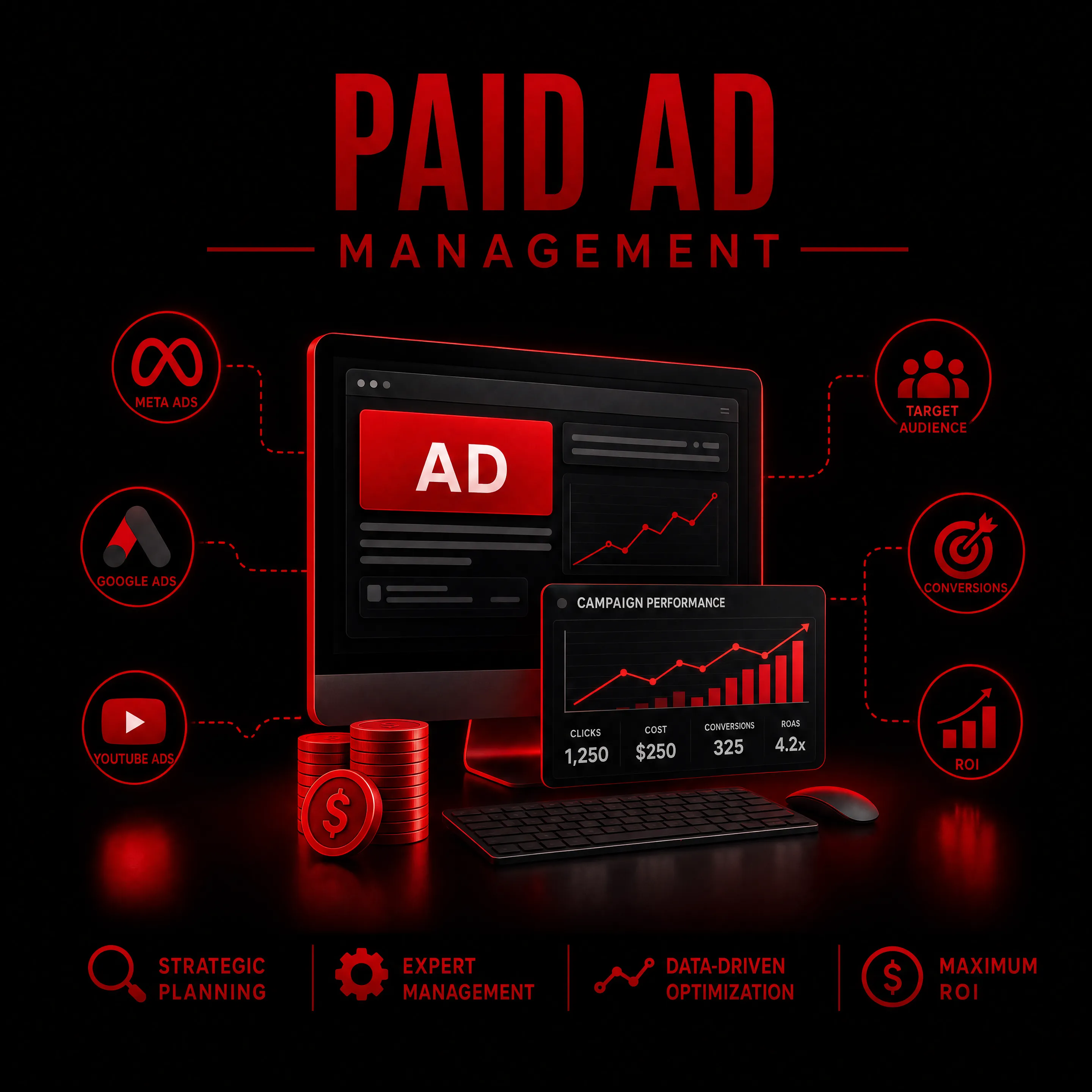
In the ever-evolving landscape of digital marketing, businesses often grapple with the decision of whether to invest in Search Engine Optimization (SEO) or Paid Advertising (Paid Ads). Each strategy offers unique advantages and challenges, making it crucial for marketers to understand their differences and potential returns on investment (ROI). This article will delve into the cost-effectiveness, long-term benefits, audience targeting, and conversion rates associated with both SEO and Paid Ads. By examining these factors, businesses can make informed decisions that align with their marketing goals and budget constraints.
The debate between SEO and Paid Ads is not merely about immediate visibility versus long-term growth; it encompasses a broader understanding of how each strategy can contribute to a company's overall marketing success. As we explore the nuances of these approaches, we will highlight the core benefits and limitations of each, providing insights into how they can be effectively integrated for maximum impact.
Cost-Effectiveness
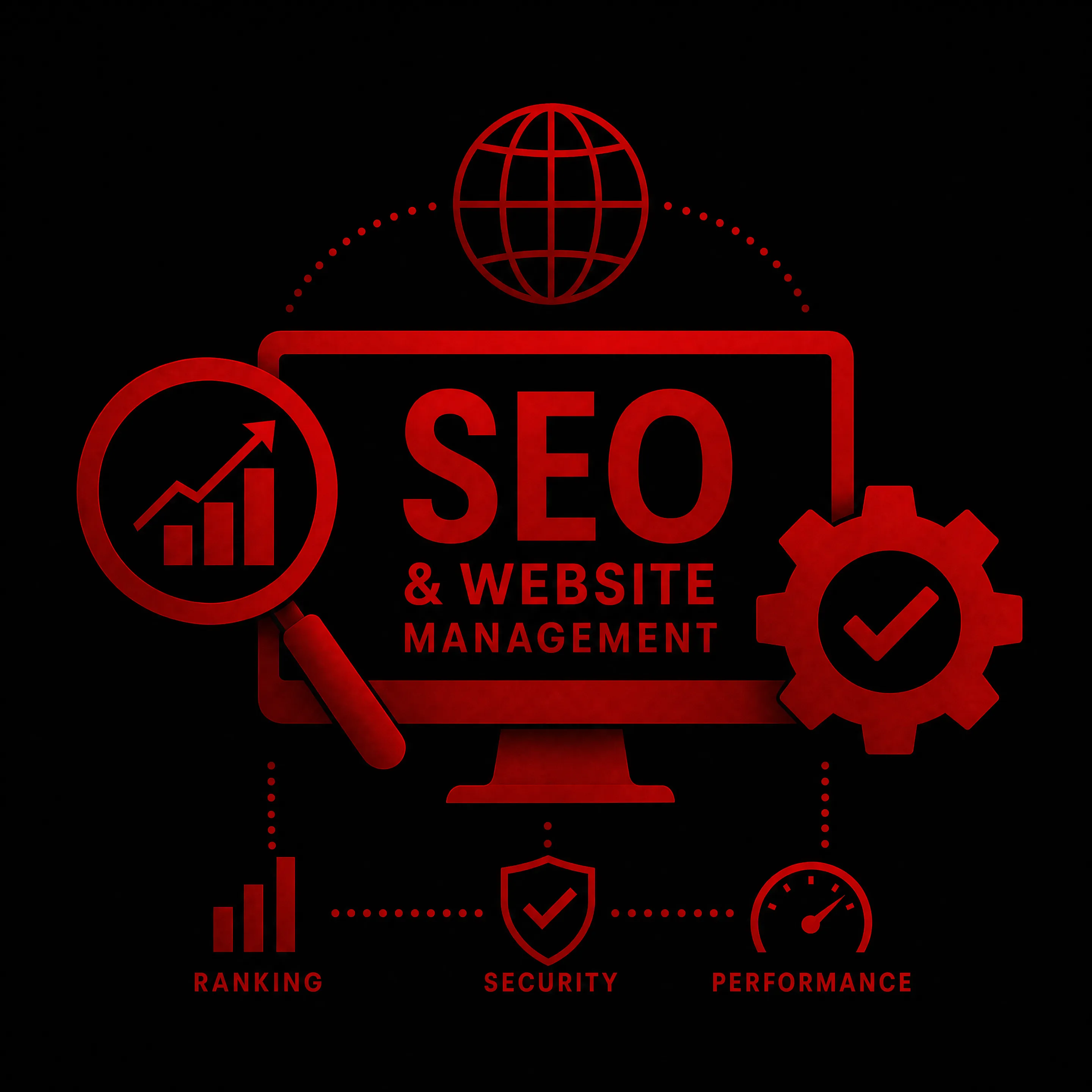
When evaluating the cost-effectiveness of SEO versus Paid Ads, it is essential to consider both short-term and long-term financial implications. SEO is often viewed as a long-term investment, requiring initial time and resource allocation to build organic traffic. In contrast, Paid Ads necessitate ongoing spending to maintain visibility and reach.
| Strategy | Initial Investment | Ongoing Costs | Long-Term Value |
|---|---|---|---|
| SEO | Moderate | Low | High |
| Paid Ads | High | High | Low |
This comparison illustrates that while SEO may require a more significant upfront investment in terms of time and effort, its long-term value often outweighs the continuous costs associated with Paid Ads. Businesses looking to establish a sustainable online presence may find SEO to be the more cost-effective option in the long run. For specialized digital marketing solutions, exploring comprehensive services can provide tailored strategies.
Long-Term Benefits
SEO offers several long-term benefits that can significantly enhance a business's online presence. One of the primary advantages is the sustained organic traffic that results from effective SEO strategies. Unlike Paid Ads, which provide immediate visibility but cease to deliver traffic once the budget is exhausted, SEO builds a lasting foundation for ongoing traffic generation.
Paid Ads, while effective for immediate visibility, do not contribute to long-term asset building. Once the advertising budget is depleted, the visibility disappears. Therefore, businesses that prioritize long-term growth should consider investing in SEO as a means of creating a robust online presence that continues to yield results over time.
Audience Targeting

Audience targeting is another critical aspect where SEO and Paid Ads differ significantly. Paid Ads allow for precise audience segmentation, enabling marketers to tailor their messages to specific demographics, interests, and behaviors. This level of targeting can lead to higher conversion rates, as ads are shown to users who are more likely to engage with the content.
On the other hand, SEO tends to attract a broader audience through organic search results. While this can lead to increased traffic, it may not always result in high conversion rates, as the audience may not be as specifically targeted. Understanding these differences is vital for businesses aiming to optimize their marketing strategies effectively.
Conversion Rates
When it comes to conversion rates, both SEO and Paid Ads have their strengths. Paid Ads can generate quick leads and conversions due to their immediate visibility and targeted approach. However, the trust and credibility built through SEO can lead to higher long-term conversion rates. Users often perceive organic search results as more trustworthy than paid advertisements, which can influence their decision-making process.
Core Benefits and Limitations of SEO
SEO presents several core benefits and limitations that businesses must consider when developing their marketing strategies.
- Sustainable Organic Traffic Growth: SEO strategies focus on optimizing website content and structure to improve search engine rankings, leading to a steady stream of organic traffic over time.
- Cost-Effectiveness: Once established, SEO can provide ongoing traffic with minimal ongoing costs, making it a cost-effective long-term strategy.
- Time-Consuming Nature: SEO requires patience and consistent effort, as it may take several months to see significant results.
How Does SEO Drive Sustainable Organic Traffic Growth?
SEO drives sustainable organic traffic growth by optimizing website content for relevant keywords, improving site structure, and enhancing user experience. By focusing on these elements, businesses can increase their visibility in search engine results, attracting more visitors over time. This organic traffic is often more valuable, as it tends to convert better than traffic generated through paid means.
What Are the Timeframes and Cost Considerations for SEO?
The timeframes and cost considerations for SEO can vary significantly based on the competitiveness of the industry and the specific strategies employed. Generally, businesses can expect to see initial results within 3 to 6 months, with ongoing optimization required to maintain and improve rankings. The initial investment may include costs for content creation, technical SEO, and ongoing management, but the long-term benefits often justify these expenses.
How Do Paid Ads Provide Immediate Visibility and Targeted Reach?
Paid Ads offer immediate visibility on search engines and social media platforms, allowing businesses to reach their target audience quickly. By utilizing various ad formats and targeting options, marketers can effectively promote their products or services to users actively searching for related content. This immediate reach can be particularly beneficial for new product launches or time-sensitive promotions.
What Are the Key Advantages and Cost Factors of Paid Advertising?
The key advantages of Paid Ads include:
- Immediate Visibility: Ads can be set up and launched quickly, providing instant exposure to potential customers.
- Targeted Reach: Marketers can tailor their ads to specific demographics, interests, and behaviors, increasing the likelihood of engagement.
- Performance Reporting Metrics: Paid Ads offer detailed analytics, allowing businesses to track performance and optimize campaigns effectively.
How Does Paid Ads Target Audience Segmentation for Maximum Impact?
Paid Ads utilize advanced targeting options to segment audiences based on various criteria, including location, interests, and online behavior. This segmentation allows marketers to deliver personalized messages that resonate with specific groups, maximizing the impact of their advertising efforts. By leveraging data-driven insights, businesses can refine their targeting strategies to improve conversion rates.
What Is the Comparative ROI and Cost Effectiveness of SEO Versus Paid Ads?
When comparing the ROI and cost-effectiveness of SEO and Paid Ads, it is essential to consider the long-term benefits of SEO against the immediate results of Paid Ads. SEO typically drives more organic traffic over time, leading to a higher ROI in the long run. In contrast, Paid Ads provide quicker results but may not sustain the same level of traffic once the budget is exhausted.
This comprehensive study offers further insights into the nuanced effectiveness of both SEO and Paid Ads, providing a valuable framework for understanding their roles in business growth.
SEO vs. SEM: Comparative Effectiveness for Business Growth
This study examines the comparative effectiveness of Search Engine Optimization (SEO) and Search Engine Marketing (SEM) in driving business growth. By analyzing various strategies, metrics, and outcomes associated with both SEO and SEM, this paper provides insights into how businesses can optimize their online presence for sustained growth. Using a combination of quantitative data, qualitative case studies, and industry-specific analysis, the paper offers a comprehensive comparison of these two key digital marketing strategies. The findings suggest that while both SEO and SEM are critical for online visibility, their effectiveness varies depending on business objectives, industry context, and target audience. Additionally, the study proposes a hybrid approach, combining the strengths of both strategies to maximize business growth.
A Comparative Study on Search Engine Optimization and Search Engine Marketing: Optimizing Strategies in Business Growth, R Arora, 2024
How Do SEO and Paid Ads Perform in Driving Conversions and Business Growth?
SEO and Paid Ads both play crucial roles in driving conversions and business growth. While Paid Ads can generate quick leads, the trust and credibility built through SEO often lead to higher long-term conversion rates. Businesses that effectively integrate both strategies can leverage the strengths of each to maximize their overall marketing effectiveness.
What Recent Industry Statistics Highlight ROI Trends for 2024-2026?
Recent industry statistics indicate that businesses investing in SEO can expect an average ROI of over 100% in the long term, while Paid Ads typically yield an ROI closer to 80% on average, although specific performance can vary by industry and campaign. These trends highlight the growing importance of organic search strategies in achieving sustainable business growth.
How Can Integrating SEO and Paid Ads Maximize Marketing Channel Effectiveness?
Integrating SEO and Paid Ads can significantly enhance marketing channel effectiveness by combining the strengths of both strategies. This approach allows businesses to capitalize on immediate visibility while building a sustainable organic presence.
What Are Proven Strategies for Combining Organic Search and Paid Campaigns?
Proven strategies for combining organic search and Paid Ads include:
- Cross-Channel Marketing Strategies: Utilize insights from Paid Ads to inform SEO strategies and vice versa.
- Data Sharing Between Channels: Leverage performance data from both channels to optimize campaigns and improve targeting.
- Optimizing Budget Allocation: Allocate resources effectively between SEO and Paid Ads based on performance metrics and business goals.
How Do Integrated Approaches Enhance Overall ROI and Market Reach?
Integrated approaches enhance overall ROI and market reach by creating a cohesive marketing strategy that leverages the strengths of both SEO and Paid Ads. By combining efforts, businesses can improve brand visibility, attract a broader audience, and ultimately drive higher conversion rates. This synergy not only maximizes marketing effectiveness but also fosters long-term growth and sustainability.
Build the Right Search Mix
FritschFlix combines organic search and paid campaigns into one measurable plan built around your goals, timeline, and budget.
Get a Free Proposal →